What Is a Standard Porta Potty and How to Choose the Right One
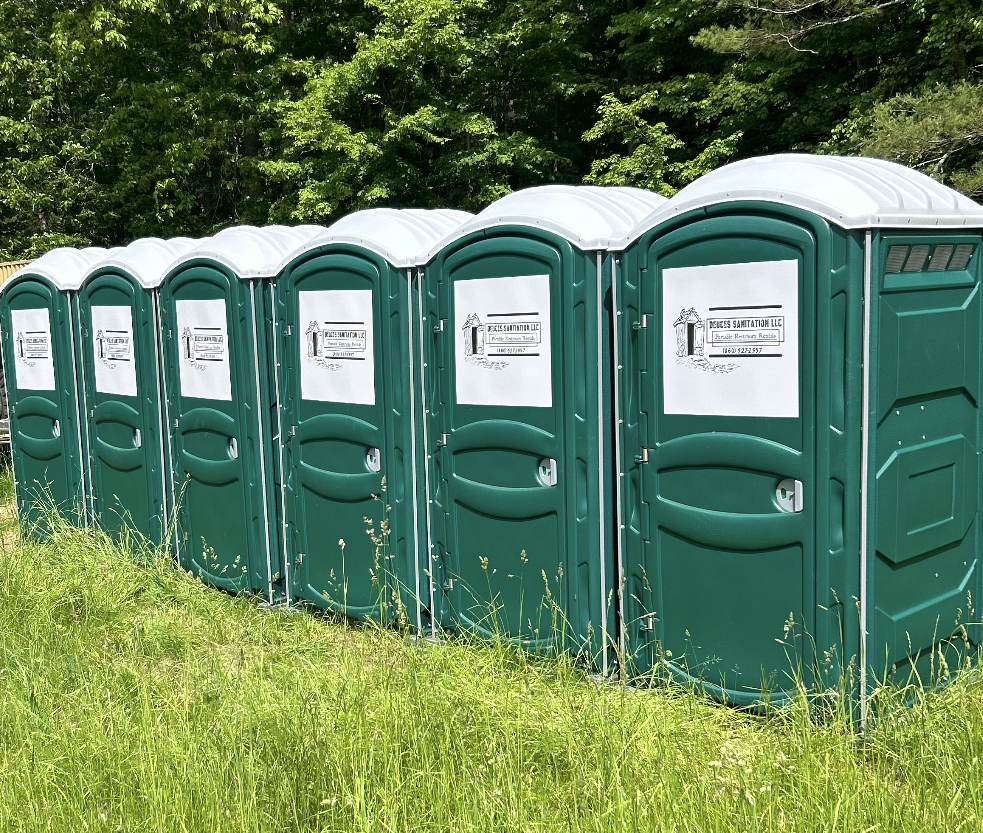
Table of Contents
- Introduction
- What Is a Standard Porta Potty?
- Basic Features
- Typical Capacity and Dimensions
- Common Uses for Standard Porta Potties
- Construction Sites
- Outdoor Events
- Temporary Projects and Sites
- Factors to Consider When Choosing a Porta Potty
- Occupancy and Usage Volume
- Amenities and Accessibility
- Placement and Site Conditions
- Evaluating Costs and Budget Considerations
- How Much Does a Portable Toilet Cost?
- Rental Duration and Services Included
- Determining Quantity: How Many Porta Potties Per Person?
- Event Size and Duration
- Usage Frequency and Demographics
- Maintenance and Sanitation Considerations
- Conclusion
- Book a Standard Porta Potty
- Frequently Asked Questions
Key Takeaways
- A standard porta potty is a basic, self-contained portable restroom with essential features.
- Understanding capacity, placement, and amenities helps match the unit to site needs.
- Costs vary depending on rental duration, location, and service level.
- Planning quantity requires consideration of users, event type, and duration.
- Proper maintenance and sanitation are critical for usability and hygiene.
Introduction
A standard porta potty is a self-contained portable restroom designed to provide temporary sanitation in locations without permanent facilities. For businesses, event organizers, and property managers in Tolland, CT, understanding what a standard porta potty offers is essential for planning safe and practical sanitation solutions. By considering capacity, features, and intended use, we can select the appropriate units for construction sites, outdoor events, or other temporary projects.
What Is a Standard Porta Potty?
Basic Features
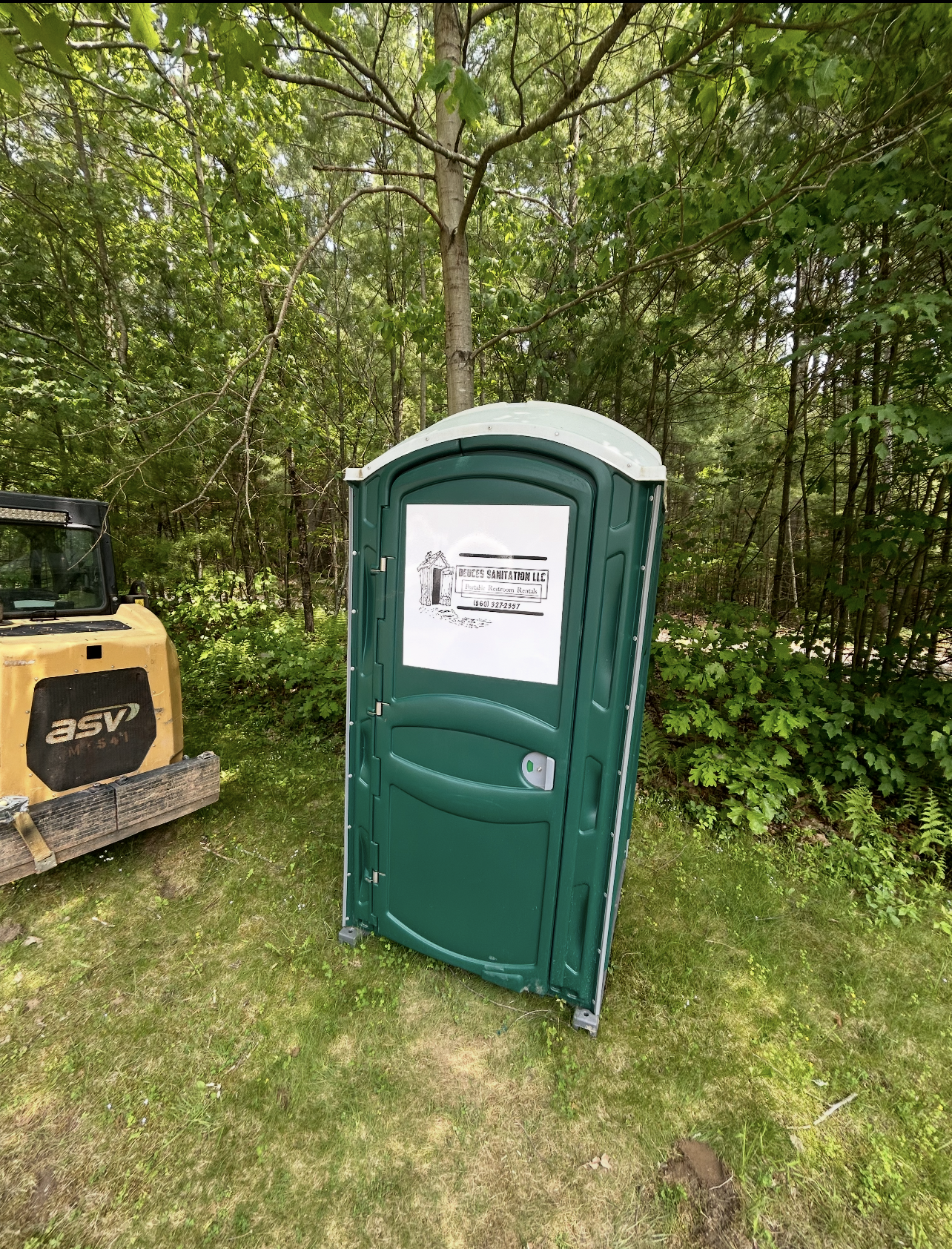
A standard porta potty typically includes a durable plastic enclosure, a toilet seat, a holding tank, ventilation, and a door with a lock. These units are designed for short-term use and can be moved easily. While they generally lack sinks or handwashing stations, some models may include basic hand sanitizer dispensers.
Typical Capacity and Dimensions
Standard porta potties are sized to accommodate single users at a time. Average interior dimensions are approximately 3 feet by 3 feet, with a height of around 7 feet. The holding tank capacity usually ranges from 20 to 50 gallons, depending on the model. These specifications influence how frequently servicing or waste removal is necessary.
Common Uses for Standard Porta Potties
Construction Sites
Portable restrooms are commonly deployed on construction sites where permanent facilities are unavailable. Standard units provide workers with convenient access to sanitation while meeting basic regulatory or OSHA guidelines.
Outdoor Events
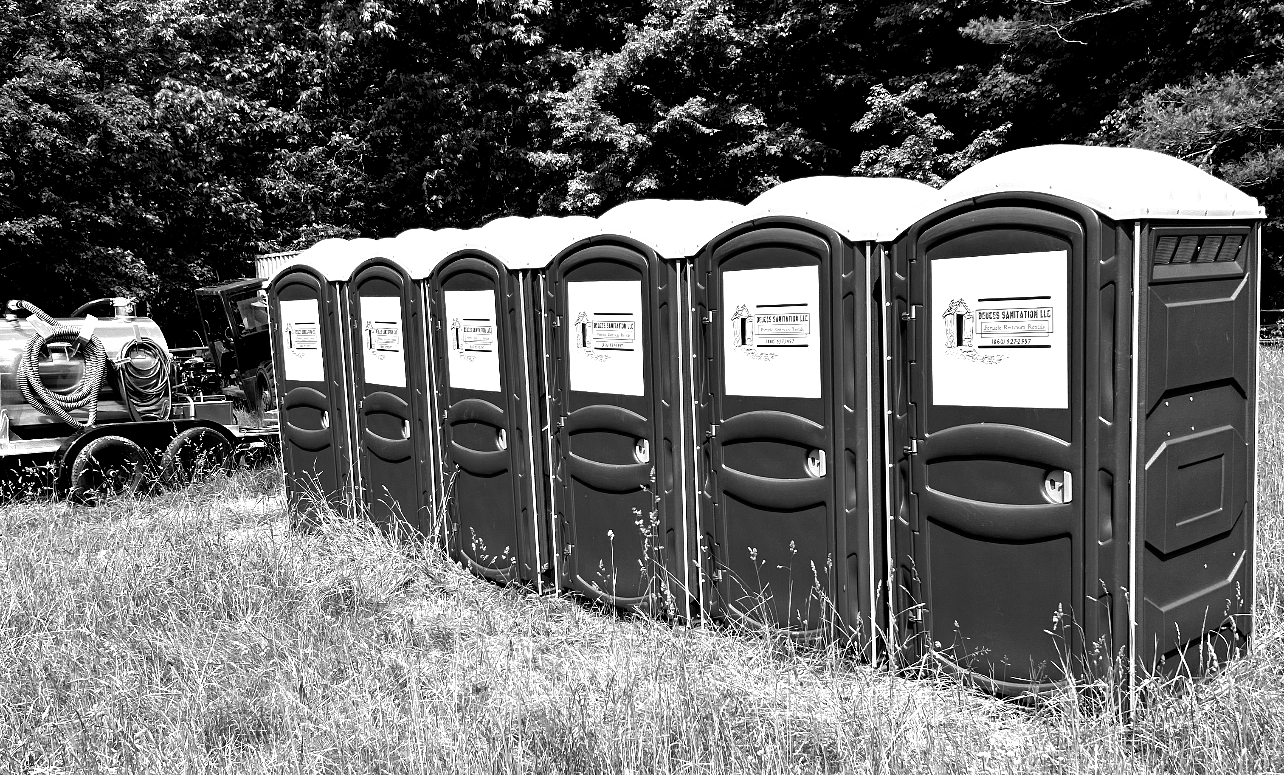
Events such as festivals, fairs, and sports tournaments often rely on standard porta potties for temporary sanitation. Placement is typically guided by anticipated crowd density, site layout, and accessibility considerations.
Temporary Projects and Sites
For landscaping, utility work, or seasonal projects, standard porta potties provide a practical solution. They can be relocated as work progresses, ensuring that sanitation is maintained without permanent infrastructure.
Factors to Consider When Choosing a Porta Potty
Occupancy and Usage Volume
Evaluating the expected number of users and duration of use helps determine which units are appropriate. For high-traffic sites, additional units or upgraded models with larger tanks may reduce the frequency of service requirements.
Amenities and Accessibility
While standard porta potties offer basic functionality, some projects or events may require ADA-compliant units or additional features such as hand sanitizer dispensers. Assessing these needs in advance helps ensure inclusivity and hygiene.
Placement and Site Conditions
Proper placement on level ground is important to maintain stability and usability. Considerations include proximity to event activities or work areas, ground type, and ease of access for service vehicles.
Evaluating Costs and Budget Considerations
How Much Does a Portable Toilet Cost?
The cost of renting a standard porta potty can vary based on location, duration, and included services. In Tolland, CT, daily rental rates generally range from $75 to $150 per unit, with additional fees for servicing, cleaning, or delivery. Understanding these factors allows for realistic budgeting.
Rental Duration and Services Included
Rental agreements often include weekly servicing, waste removal, and cleaning. Longer-term projects may benefit from contracts specifying frequency of maintenance and contingency planning for unexpected demand.
Determining Quantity: How Many Porta Potties Per Person?
Event Size and Duration
Estimating the number of units needed requires analyzing both the number of attendees or workers and the duration of use. For events lasting several hours, fewer units may suffice, whereas full-day events or multi-day construction projects typically require additional units.
Usage Frequency and Demographics
Consider the expected frequency of use and demographic factors such as gender distribution and age, which can influence the total number of units required. Tools and guidelines from sanitation industry organizations can support accurate planning.
Maintenance and Sanitation Considerations
Even with standard units, proper maintenance is critical. Regular servicing, waste removal, and cleaning reduce health risks and maintain usability. For outdoor events or remote sites, scheduling servicing based on anticipated usage ensures consistent sanitation standards.
Conclusion
A standard porta potty provides a practical, mobile solution for temporary sanitation needs. By understanding basic features, capacity, and suitable applications, we can make informed decisions that meet both functional and hygiene requirements. Careful planning of quantity, placement, and maintenance supports effective sanitation while minimizing disruptions.
Book a Standard Porta Potty
For businesses and event organizers in Tolland, CT, Deuces Sanitation LLC offers reliable guidance and rental options. Our team can help match porta potty models to site needs, ensuring a practical and informed approach to temporary sanitation. For more information about Porta Potty Rentals Mansfield, CT or to discuss your specific needs, email us at deucessanitation@gmail.com, or call us at (860) 327-2357.
Frequently Asked Questions
What is the difference between a standard porta potty and luxury units?
Standard porta potties provide essential sanitation features, while luxury units may include sinks, lighting, mirrors, and climate control. The choice depends on user needs and site requirements.
How often should a standard porta potty be serviced?
Frequency depends on the number of users and tank capacity. Regular servicing schedules help maintain hygiene and usability.
Can a standard porta potty be used for long-term projects?
Yes, with routine servicing and proper placement, standard units can be suitable for extended projects. Rental agreements often allow for longer-term arrangements.
Are standard porta potties accessible for people with disabilities?
Most standard units are not ADA-compliant. For accessibility, specialized units designed for wheelchair access and ease of use should be considered.
How do I estimate how many porta potties are needed for an event?
Estimate based on expected attendees, event duration, and usage frequency. Industry guidelines and calculators can provide practical reference points.
Related Posts