What Is a Flushable Porta Potty and How Does It Work?
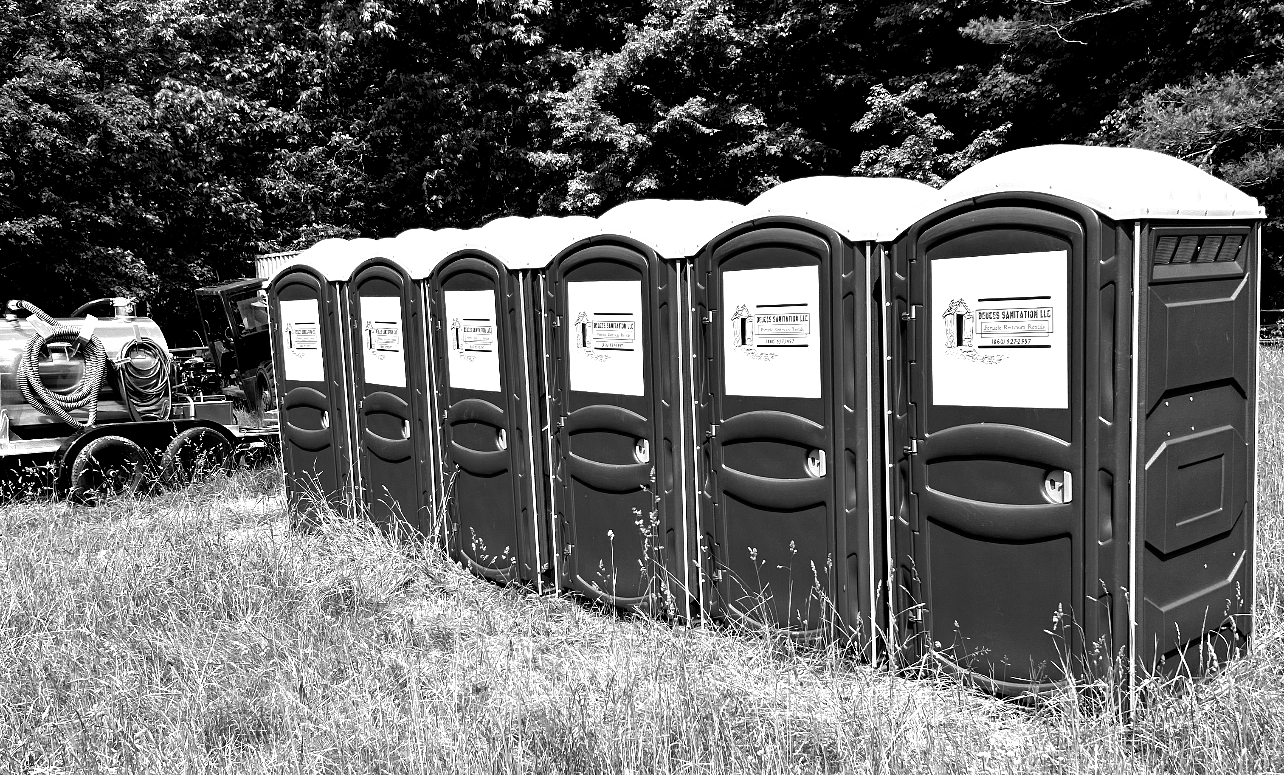
Table of Contents
- Introduction
- What Is a Flushable Porta Potty?
- How Does a Flushable Porta Potty Work?
- Components Inside a Flushable Portable Toilet
- Flushable Porta Potties vs Standard Portable Toilet Rental
- Where Flushable Portable Toilets Are Commonly Used
- Sanitation and Maintenance Considerations
- Conclusion
- Book a Portable Toilet Rental Service
- Frequently Asked Questions
Key Takeaways
- A flushable porta potty uses a water-based flushing system to move waste into a sealed holding tank.
- These units offer improved sanitation and odor control compared to many traditional portable toilets.
- Flushable units are commonly used for weddings, festivals, construction sites, and long-term outdoor projects.
- The system typically includes a freshwater tank, flushing mechanism, and a separate waste storage tank.
- Many event planners and site managers choose flushable units when comfort, hygiene, and user experience are priorities.
Introduction
A flushable porta potty is a portable restroom that uses a water-based flushing mechanism to move waste into a sealed holding tank, helping improve sanitation and user comfort compared to many traditional portable toilets. These units are designed to provide a more familiar restroom experience in locations where permanent plumbing is unavailable.
Understanding how a flushable porta potty works can help event planners, construction managers, and property owners choose the right sanitation option for their needs. Portable restrooms are commonly used in outdoor settings, but the level of cleanliness and convenience can vary depending on the type of unit selected. Flushable systems are often chosen when hygiene and comfort are important considerations.
What Is a Flushable Porta Potty?
A flushable porta potty is a type of portable restroom that includes a flushing toilet similar to those found in permanent bathrooms. Unlike basic units that rely only on a chemical holding tank beneath the seat, flushable porta potties use a controlled amount of clean water to move waste into a separate storage tank.
This design helps isolate waste from the toilet bowl area, which can improve sanitation and reduce direct exposure to odors. Many flushable units also include a foot pump or hand-operated flush system.
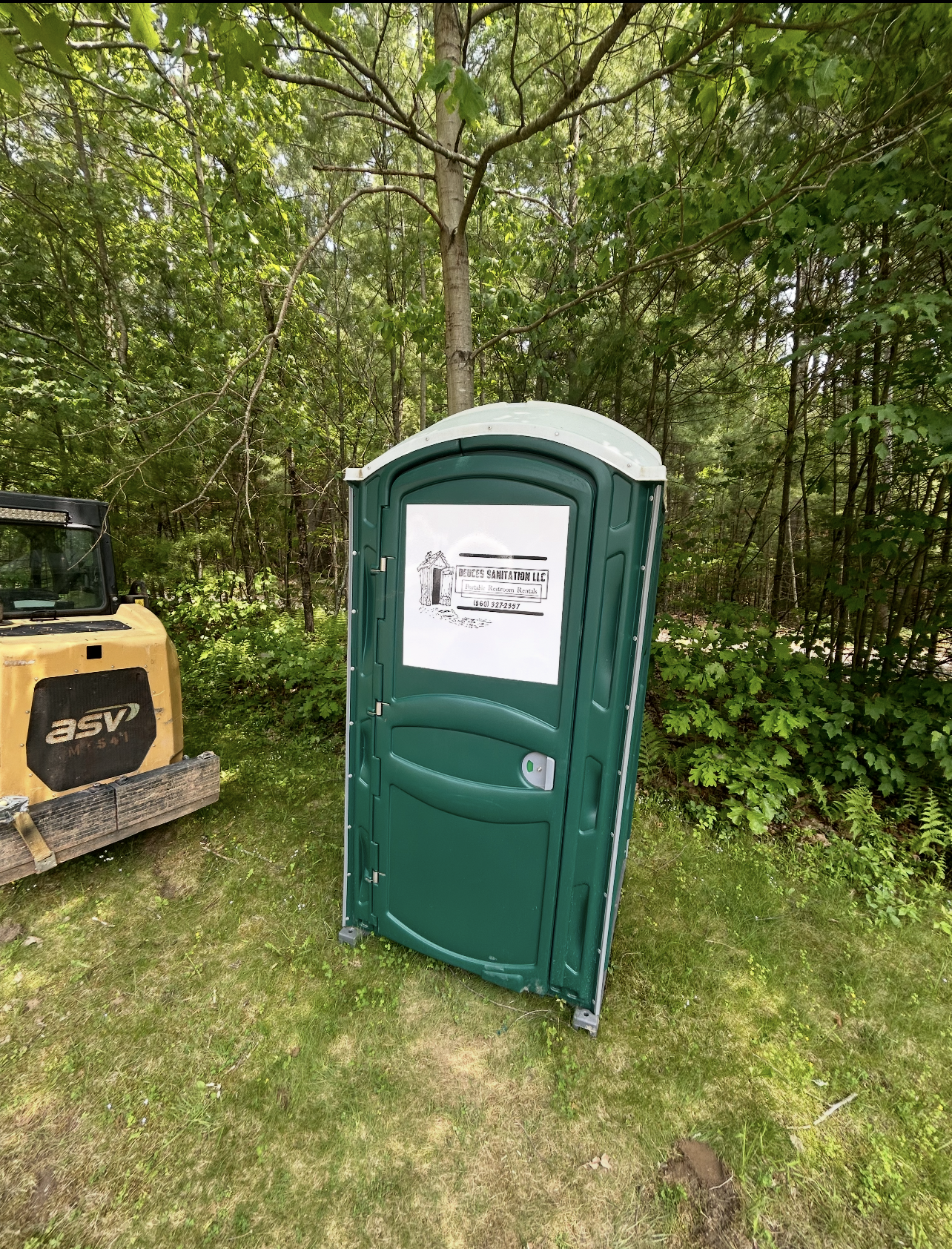
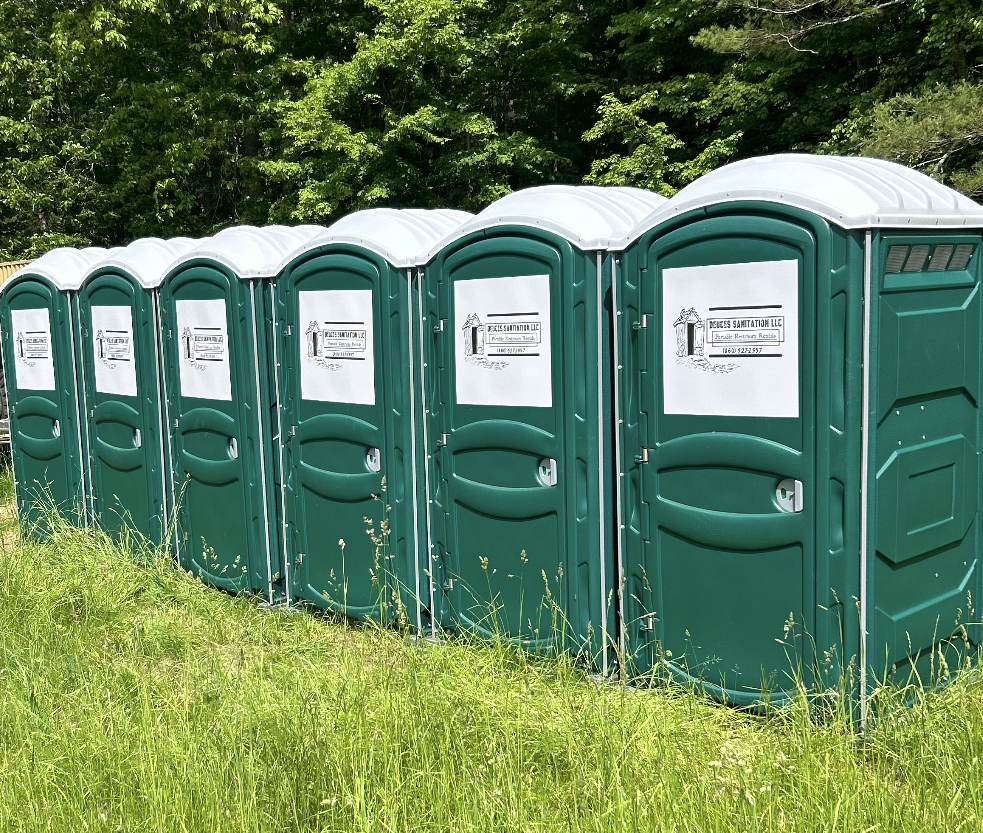
These portable restrooms are commonly available through sanitation service providers such as Deuces Sanitation LLC, which offers portable restroom solutions for a variety of uses in and around Tolland, Connecticut.
While both types serve the same general purpose, flushable systems introduce additional components that change how the unit functions.
How Does a Flushable Porta Potty Work?
A flushable porta potty works through a simple system that separates clean water from stored waste.
When a user activates the flush mechanism, water from the freshwater tank enters the toilet bowl. This water helps move waste through the toilet opening and into a sealed holding tank located beneath the unit.
The process typically involves four steps:
- Freshwater release: The user presses a flush pedal or pump, releasing water from the internal water tank.
- Waste transfer: The water carries waste into a sealed storage tank located below the toilet seat.
- Waste containment: The holding tank stores waste safely until scheduled servicing.
- Professional servicing: Sanitation professionals remove and treat the waste during routine maintenance visits.
Because waste is separated from the bowl area after each flush, the toilet surface remains cleaner compared to many non-flushing models.
Components Inside a Flushable Portable Toilet
Several components work together to make a flushable porta potty operate effectively.
Freshwater Tank
The freshwater tank stores clean water used for flushing. The tank capacity varies depending on the size and model of the unit.
This water supply allows each user to activate the flush mechanism without requiring external plumbing.
Flushing Mechanism
Most flushable portable toilets use one of two systems:
- Foot pump flush system
- Hand pump flush system
Both systems release a small amount of water into the bowl when activated.
The design focuses on conserving water while still moving waste efficiently.
Waste Holding Tank
The holding tank sits beneath the toilet and stores waste until the unit is serviced.
Sanitation providers pump and clean this tank during routine maintenance visits. Chemical treatments are often added to help control odor and break down waste.
Ventilation System
Many units include a ventilation pipe or vent stack. This allows gases from the holding tank to escape upward rather than remaining inside the cabin.
This simple feature contributes to better air quality inside the portable restroom.
Flushable Porta Potties vs Standard Portable Toilet Rental
A standard portable toilet rental typically relies on a chemical holding tank directly beneath the toilet seat without a flushing system.
Both types are widely used, but they differ in how waste is handled.
Standard Portable Toilets
Standard units often include:
- A chemical holding tank
- A non-flushing toilet seat
- A ventilation pipe for odor control
These units are commonly used on construction sites and short-term outdoor projects.
Flushable Porta Potties
Flushable porta potties introduce additional features, such as:
- Water-based flushing system
- Separate freshwater tank
- Waste storage tank beneath the bowl
- Reduced contact with visible waste
Because of these design differences, flushable models may be selected when user comfort and sanitation are priorities.
Both options remain useful depending on the situation, site conditions, and expected number of users.
Where Flushable Portable Toilets Are Commonly Used
Flushable portable restrooms are used in a wide variety of temporary environments where permanent restroom facilities are unavailable.
Weddings and Outdoor Events
Many outdoor weddings and private gatherings include flushable porta potties because they provide a more familiar restroom experience for guests.
Festivals and Public Events
Large gatherings such as community festivals and outdoor markets often incorporate multiple restroom options, including flushable units.
These units may be placed in VIP sections or designated comfort areas.
Construction Sites
On long-term job sites, some project managers select flushable units to provide improved sanitation for workers.
While standard units remain common, flushable models may be introduced for extended projects.
Parks and Recreation Areas
Temporary restroom installations in parks or recreation areas sometimes include flushable options, particularly during high-traffic seasons.
In regions such as Tolland, Connecticut, portable sanitation providers may supply a mix of standard and flushable units depending on the needs of the location.
Sanitation and Maintenance Considerations
Portable restroom hygiene depends heavily on proper servicing and maintenance.
Regardless of the type of unit used, regular maintenance helps ensure safe and sanitary conditions.
Typical servicing may include:
- Pumping waste from the holding tank
- Refilling freshwater tanks
- Replenishing sanitizing chemicals
- Cleaning interior surfaces
- Inspecting the flushing system
Service schedules vary based on usage levels, weather conditions, and event duration.
Professional sanitation companies coordinate these services to maintain compliance with health and safety standards.
Conclusion
A flushable porta potty is a portable restroom designed with a water-based flushing system that transfers waste into a sealed holding tank. This design helps improve sanitation and user comfort compared to many non-flushing portable toilets.
The system typically includes a freshwater tank, flush mechanism, and waste storage tank that work together to manage waste safely in locations without permanent plumbing.
Flushable units are commonly used at outdoor events, construction sites, and public gatherings where improved hygiene and a familiar restroom experience are important considerations.
Understanding how these systems function can help event planners, property managers, and project supervisors select the portable sanitation option that best fits their needs.
Book a Portable Toilet Rental Service
If you are planning an event, managing a job site, or organizing a temporary outdoor project, understanding the different types of portable restroom options can help you make an informed decision.
Deuces Sanitation LLC provides portable restroom rental services, including flushable units and standard portable toilet options for a variety of applications in and around Tolland, Connecticut. Email us at deucessanitation@gmail.com, or call us at (860) 327-2357.
Frequently Asked Questions
What makes a flushable porta potty different from a regular portable toilet?
A flushable porta potty includes a water-based flushing system and a separate freshwater tank. Standard portable toilets usually rely on a chemical holding tank without a flushing mechanism.
Do flushable porta potties require plumbing connections?
No. Flushable portable toilets are self-contained units. They store freshwater and waste in internal tanks and do not require connection to municipal plumbing systems.
How often are flushable portable toilets serviced?
Servicing schedules vary depending on usage levels and event duration. High-traffic sites may require more frequent maintenance to keep the unit clean and functional.
Are flushable porta potties suitable for long-term construction sites?
Yes. Flushable units are sometimes used on long-term job sites where improved sanitation and worker comfort are important considerations.
Can flushable portable toilets be used for large events?
Yes. Event planners often include flushable units as part of a broader sanitation setup for festivals, weddings, and outdoor gatherings.
Related Posts